By Robyn Stone
A trip to South Korea convinced Robyn Stone that providers worldwide can work together to help older adults live longer, healthier lives.
Earlier this summer, I joined aging experts from the United States, Europe, and Asia to discuss how we can help the world’s growing number of older adults find purpose and fulfillment during their extended retirement years. The gathering—the Seoul Senior Forum—took place in Gochang, a rural county in southeastern South Korea, about four hours from the capital.
My research colleagues know I love traveling, especially when I can share the knowledge and experiences of America’s aging services providers with colleagues around the world. I also welcome opportunities to gain new insights about aging services from the experts I meet during my visits.
My summer trip did not disappoint.
First, I got the opportunity to learn.
I only needed to look around my immediate surroundings to see how South Korean providers are already adopting innovative strategies to meet the growing demand for housing, services, and supports among older adults. The Seoul Senior Forum was held in Well Park City, a large, age-friendly, planned community specifically designed to promote longevity for both the old and the young.
The development and surrounding Gochang County feature nine senior living towers, a hotel, a golf course, and various amenities designed to promote healthy living. There’s a hospital and nursing home, a spa and yoga center, a hot spring, recreational and social activities, and an extensive network of scenic walking trails winding through the nearby hills.
American providers of aging services can learn a lot from Well Park City’s thoughtful design and programming, as well as its proactive approach to helping residents live longer, healthier lives. I admire the development’s goal to prevent, as much as possible, the disability and chronic conditions that often affect older adults and lessen their quality of life.
Conversely, American providers have much to teach their South Korean colleagues as they seek solutions to their country’s growing demographic crisis. In 2023, South Korea became a United Nations-designated “super-aged” society after reaching a significant milestone: 20% of its residents are now 65 or older. The country has the second-highest life expectancy in the world and the lowest fertility rate, according to Statista.
The senior forum gave me a chance to share several lessons that could help our South Korean colleagues respond to this crisis.
During my conference keynote, for example, I emphasized the importance of offering a wide range of housing and service options tailored to diverse consumer preferences, needs, and income levels.
While conference attendees admired Well Park City’s mission, some expressed concern that it might be difficult to persuade older Koreans, most of whom live in Seoul, to relocate to remote rural areas for retirement. They also noted that Well Park City primarily attracts upper-middle-class and wealthy individuals and isn’t accessible to the 40% of older South Koreans living below the poverty line.
To address these concerns, I examined the full range of senior living options for older adults in the United States, including life plan communities, shared housing, publicly subsidized senior housing with service models, naturally occurring retirement communities, and the Village Model. I also highlighted the importance of making home-based services widely available, so residents of independent living towers won’t have to relocate when their service needs increase.
I left Gochang County hopeful that aging services providers in the United States, South Korea, and around the world can work together to develop innovative housing and support options that leverage the strengths and creative ideas of all providers.
Together, I believe we can create a global network of health-focused, age-inclusive communities dedicated to helping older adults live longer, healthier lives—regardless of their incomes, preferences, or needs.
Will we succeed? Will our teamwork inspire us to see the aging of our world as an opportunity to embrace—rather than a challenge to overcome?
After my trip around the world, I’m more certain than ever that we should give it a try.
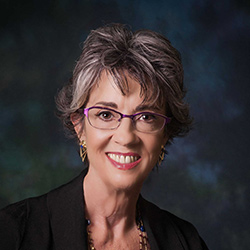
Robyn I. Stone, DrPH, is senior vice president of research at LeadingAge, and co-director of the LeadingAge LTSS Center @UMass Boston. Her widely published work addresses long-term care policy and quality, chronic care for people with disabilities, the aging services workforce, affordable senior housing, and family caregiving.