By Robyn Stone
The demand for behavioral health services among older adults continues to grow. A new center in Oregon gives Robyn Stone hope for the future.
The burden of mental illness and substance use disorders in older adults in the United States borders on a crisis. Yet, this crisis is largely hidden from the public and many of those who develop policy and programs to care for older people.
Thus begins The Mental Health and Substance Use Workforce for Older Adults: In Whose Hands?, a report issued by the National Academies of Sciences, Engineering, and Medicine (NASEM) in 2012. Thirteen years later, the aging services field continues to search for the most effective ways to serve residents and clients with behavioral health needs.
Luckily, we now have a promising model to follow.
In 2012, as a member of NASEM’s Committee on the Mental Health Workforce for Geriatric Populations, I worked with 15 other researchers and practitioners to envision the workforce needed to care for older adults with behavioral health needs. The increasing demand for behavioral health services was starting to draw attention in our field.
Committee members agreed that depression, serious mental illness, and substance use disorder significantly impact the health of older adults. We estimated that, at the time of the report, as many as 8 million older adults—14% to 20% of the older population—lived with one or more behavioral health conditions. We found that acute and chronic physical health issues, along with cognitive and functional impairments, often worsen these conditions.
In the preface to the NASEM report, the committee highlighted the need for more comprehensive and timely data on the demand for behavioral health services among older adults, better systems for recruiting and training a geriatric mental health and substance use workforce, and innovative care models to address what we viewed as a looming behavioral health crisis among older adults.
Thirteen years later, the nation still hasn’t made enough progress on the actions recommended by the NASEM committee. However, this fall, I felt renewed hope that we are still moving toward practical solutions. That realization came to me during a meeting of the Oregon Center of Excellence for Behavioral Health & Aging (OCEBHA). I serve on OCEBHA’s national advisory committee and delivered a keynote speech at its fall gathering.
Concerning Statistics
Don’t get me wrong. Statistics on the number of older adults facing mental health and substance use challenges have not suddenly improved—in fact, they are worse.
In a recent article in Health Affairs Scholar, 22 co-authors, including me, collaborated with OCEBHA Co-Directors Walter Dawson and Paula Carder to describe the current behavioral health landscape and examine how OCEBHA is addressing these troubling trends:
- As many as 67% of older adults misuse alcohol.
- The prevalence of depression is increasing among older adults.
- Older adults have higher suicide rates than other age groups.
- Individuals with serious mental illness have a 10- to 25-year shorter life expectancy compared to the general population.
The most sobering statistic: By 2030, we will have less than 25% of the behavioral health providers needed to serve these older adults.
“This lack of trained professionals, in turn, leads to a lack of awareness, screening, and proper assessment of the unique behavioral health needs of older adults,” warns the Health Affairs Scholar article.
Clearly, the older population’s need for behavioral health services and supports remains significant and continues to grow.
Reasons for Hope
So, why does OCEBHA give me hope? Three reasons:
First, as noted in our Health Affairs Scholar article, OCEBHA combines translational research, workforce development, and policy innovation, allowing it to “align evidence-based practices with service delivery and policy.” As an applied researcher, this makes perfect sense to me.
Second, OCEBHA is a partnership between the State of Oregon and two universities—Portland State University and Oregon Health & Science University. Significantly, it is funded by the Oregon Health Authority. This public support sends a strong message that states can and must invest in behavioral health. It also reflects the NACEM report’s conclusion that successful reform efforts must be coordinated.
Third, OCEBHA’s emphasis on training and leadership development is crucial. No behavioral health interventions, no matter how well designed, can succeed without a trained team of social workers, psychiatrists, psychologists, and behavioral health specialists—along with direct care professionals trained to actively participate on behavioral health teams.
In addition, providers of aging services must find ways to address the growing behavioral health needs of older adults living in affordable housing, assisted living communities, nursing homes, post-acute care settings, and life plan communities.
This won’t be an easy undertaking. Yet, it’s reassuring to know that, thanks to OCEBHA, we now have a guide for enhancing the behavioral health services we offer to residents and clients in communities across the country.
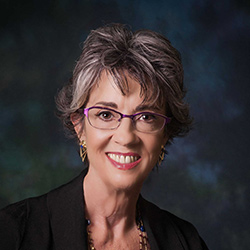
Robyn I. Stone, DrPH, is senior vice president of research at LeadingAge, and co-director of the LeadingAge LTSS Center @UMass Boston. Her widely published work addresses long-term care policy and quality, chronic care for people with disabilities, the aging services workforce, affordable senior housing, and family caregiving.